
Imagine a world where we no longer see ourselves as passive “consumers,” but instead we actively create an economy that supports the life of our community.
Not all of us are destined to be entrepreneurs, but we can all participate in supporting the businesses that provide the products and services needed for a sustainable economy. The Self-Help Association for a Regional Economy (SHARE) is a model community-based nonprofit that offers a simple way for citizens to use their savings to make micro-credit loans available at manageable interest rates to businesses that are often considered “high risk” by traditional lenders. Local SHARE members make interest-earning deposits in a local bank; these deposits are used by SHARE to collateralize loans for small businesses that have a positive community impact. SHARE depositors live in the same community as the business owners they support—bringing a human face back to lending decisions.
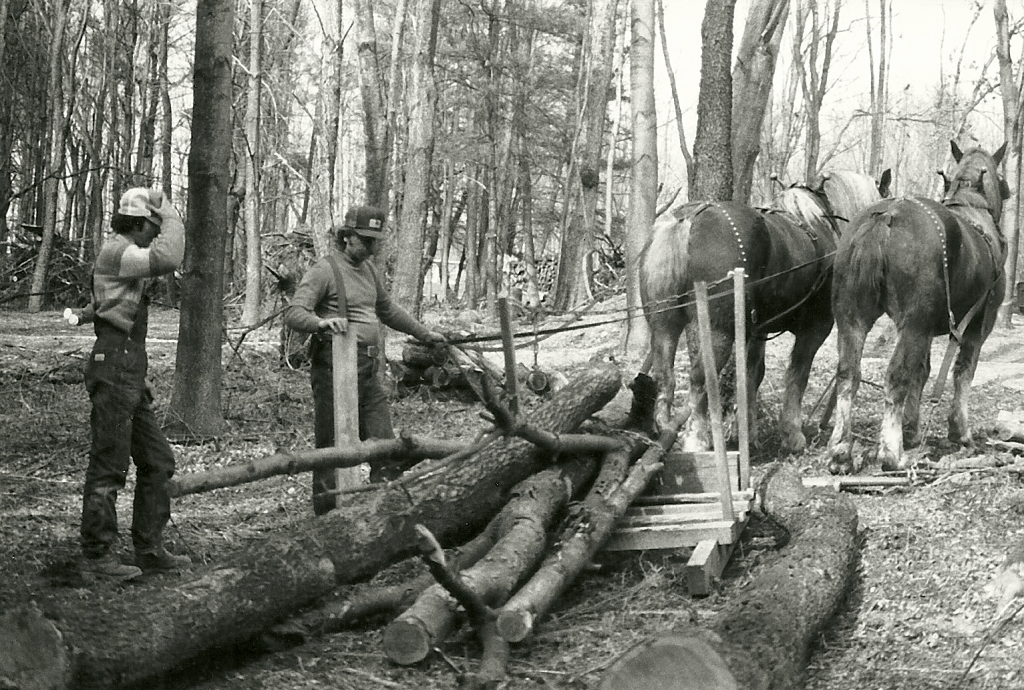
The SHARE program of the Southern Berkshire region existed from 1981 to 1992, collateralizing 23 loans with a 100% rate of repayment—surprising the bankers but not the SHARE depositors, who knew the community businesses they supported.

Members of SHARE pointed to Rawson Brook goat cheese or Jim’s draft horses or Marty’s Washing Machine Repair Service or Bonnie’s wool-knit sweaters and knew where their savings were at work. They had a true picture of the social and environmental effect of their investments, a picture not available from an abstract bank statement merely showing a standard rate of return.
When Sue’s house burned to the ground at Rawson Brook Farm in February of 1992, SHARE members thought it natural to extend her loan, and in addition members individually donated clothes, household items, and time to help rebuild.
The visibility and good will generated toward a community-collateralized business thus helps ensure its success. The SHARE model is a useful and simple-to-operate tool that allows citizens to make affordable loans available to businesses that cannot secure loans at reasonable rates for a variety of reasons.

For example, there may be community members who don’t have a good credit history or women who stayed home to raise children and have not built credit. There may be entire communities, especially low income communities, where banks are wary to invest or where local banks don’t exist.
There may also be new and innovative business ideas that aim to preserve resources or enhance the community in unique ways that banks are unfamiliar with and are therefore less likely to fund. The power of SHARE is that it allows the community to decide what types of businesses it wants and leverages the community’s capital to make those businesses possible.
The Schumacher Center, originator of the SHARE model, now has made the background and organizational documents available online so that others may replicate SHARE in their communities.
The SHARE Handbook is available at the SHARE Microcredit page. We thank our members for their support in making this work possible.